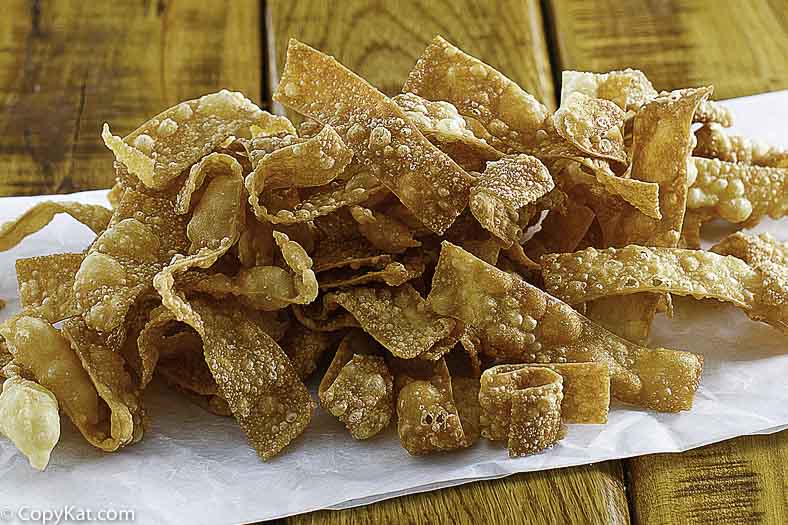
Homemade Fried Wontons: Restaurant-Style Filling & Wrapping Tricks
There's a special kind of magic that happens when you bite into a perfectly crispy fried wonton – that delightful crunch giving way to a savory, juicy filling. While often enjoyed at your favorite Chinese restaurant, achieving that authentic, restaurant-quality taste and texture at home is entirely within reach. With this comprehensive guide, we'll dive deep into crafting the ultimate
fried wonton recipe, from creating an irresistible filling inspired by Hong Kong's culinary traditions to mastering simple yet effective wrapping and frying techniques. Forget making wrappers from scratch; we're all about maximizing flavor and fun with convenient store-bought options, leaving you more time to savor the moment with friends and family, especially during festive occasions like Chinese New Year.
Unveiling the Perfect Fried Wonton: Why Homemade Trumps Takeout
Fried wontons, or 炸云吞 (zhá yúntūn), stand out in the diverse world of Chinese cuisine. Unlike their boiled cousins often served in aromatic broths or the fiery Sichuan wontons draped in numbing chili sauce, fried wontons are celebrated for their distinctive golden crispness and rich, savory interior. They're a universally loved appetizer, a crowd-pleaser that brings a smile to every face.
The beauty of making them at home lies in the control you have over the ingredients and the freshness of the final product. While the prospect of making wontons from scratch might seem daunting, especially during busy times, the good news is you don't have to. High-quality, thin wonton wrappers are readily available in most grocery stores and Asian markets. Opting for store-bought wrappers not only saves considerable time but also allows you to focus your energy on perfecting the star of the show: the filling, and the satisfying act of wrapping. This approach makes whipping up a batch of these delectable snacks a feasible and enjoyable kitchen project, ensuring you spend less time on preparation and more time celebrating. For a deeper dive into preparation methods, including air-frying options, check out our guide on
Crispy Fried Wontons: Deep-Fry or Air Fry for the Perfect Snack.
Crafting the Irresistible Filling: The Heart of Your Fried Wontons
The filling is truly where your fried wontons come alive. While there are countless variations, the most beloved Cantonese-style fillings often feature a harmonious blend of pork and shrimp, a combination we'll focus on for our quintessential
fried wonton recipe. This duo offers a delightful contrast in texture and depth of flavor that's both satisfying and authentic.
Beyond the traditional, don't hesitate to unleash your culinary creativity! Wonton fillings are incredibly versatile. Some popular additions that can elevate your wontons include crunchy water chestnuts for texture, aromatic Chinese chives, a sprinkle of toasted sesame seeds for nutty notes, or even a surprising hint of cream cheese for a richer, tangier profile. If pork isn't part of your diet, ground chicken or turkey make excellent substitutes without compromising on succulence.
Here’s how to prepare a truly spectacular pork and shrimp filling:
- Prepare the Pork: Start with quality ground pork that includes a good ratio of fat. The fat is crucial for keeping the filling juicy and flavorful as it cooks. If using a leaner cut, you might want to add a teaspoon of sesame oil for moisture.
- Perfect the Shrimp: For that irresistible crunch often found in restaurant-style wontons, here's a secret: soak your peeled and deveined shrimp in a bowl of salt water (about 1 teaspoon of salt per cup of water) with a pinch of baking soda for approximately 10 minutes. The baking soda helps tenderize the shrimp while also giving it that signature bouncy, crunchy texture. After soaking, rinse the shrimp thoroughly under cold water to remove any residual salt and baking soda, then pat them dry. Finally, finely dice the shrimp into small, manageable pieces.
- Combine & Season: In a large mixing bowl, combine your minced pork and diced shrimp. Add a generous amount of chopped green onions for a fresh, aromatic lift. Now comes the magic of seasoning. While the exact blend can vary, a classic Cantonese approach typically includes:
- Soy Sauce: For umami depth.
- Sesame Oil: Adds a distinct, nutty aroma.
- White Pepper: A classic Cantonese spice, offering a subtle warmth.
- A Touch of Sugar: To balance the savory notes.
- Cornstarch or Tapioca Starch: A small amount (about 1-2 teaspoons) acts as a binder, helping the filling hold together and retain moisture, preventing it from drying out during frying.
- Ginger (Optional): Finely grated ginger can add a wonderful fresh zest.
Mix all the ingredients thoroughly with your hands, ensuring everything is well combined and distributed evenly. Mix in one direction for a few minutes until the mixture becomes slightly sticky. This process helps emulsify the fat and protein, resulting in a more cohesive and tender filling.
Chef's Tip: To test the seasoning of your filling before committing to wrapping all the wontons, fry a small teaspoon-sized piece in a pan until cooked through. Taste it and adjust the seasonings (salt, pepper, soy sauce) as needed. This simple step guarantees a perfectly flavored batch every time.
For those looking for a straightforward guide to the core pork and shrimp combination, our
Easy Fried Wontons: Pork & Shrimp Recipe for Chinese New Year offers a fantastic starting point.
Mastering the Art of Wonton Wrapping: Shapes & Sealing Secrets
The wrapper is the delicate vessel that holds your flavorful filling. When purchasing, be mindful that wonton wrappers are typically much thinner than egg roll or dumpling wrappers. Always double-check the label! You'll usually find them in the refrigerated section of your local grocery store or Asian market.
Wonton wrappers are notoriously fragile and can dry out quickly, becoming brittle and prone to tearing. To prevent this, always keep your stack of wrappers covered with a damp cloth or plastic wrap once you remove them from their packaging.
Steps to Wrap Your Wontons:
- Position the Wrapper: Lay a single wonton wrapper flat on a clean, dry surface. If it’s a square wrapper, orient it like a diamond.
- Add the Filling: Place a small spoonful (about 1-1.5 teaspoons, depending on the wrapper size) of your prepared filling right in the center of the wrapper. Avoid overfilling, as this makes sealing difficult and can lead to bursting during frying.
- Moisten the Edges: Dip your finger in a small bowl of water and lightly moisten all four edges of the wrapper. This creates the "glue" that will seal your wonton.
- Choose Your Shape:
- The Easy Restaurant Style (Gathered Purse): This is the quickest and most common method you'll see in busy eateries. Simply gather all the moistened edges of the wrapper around the filling and pinch them together tightly at the top, forming a little "money bag" or "purse" shape. Squeeze out any trapped air as you seal.
- The Classic Triangle Fold: For a slightly more elegant and traditional look, especially for homemade wontons:
- Fold one corner of the diamond wrapper over to meet the opposite corner, forming a perfect triangle. Gently press out any air around the filling and along the edges to seal.
- Take the two bottom corners of this triangle and bring them together, overlapping slightly. Dab a tiny bit of water on one corner before pressing it firmly onto the other to seal. This creates the classic boat-like shape often seen in wonton noodle soup, which also fries beautifully.
- Crucial Sealing Technique: Regardless of the shape you choose, the two most important techniques are:
- Expel Air Pockets: As you fold and seal, gently squeeze out any trapped air between the filling and the wrapper. Air pockets can cause your wontons to puff up excessively and even burst during frying, leading to a greasy mess and uneven cooking.
- Ensure a Tight Seal: Press the edges firmly together. A well-sealed wonton prevents the filling from leaking out and the oil from seeping in, ensuring a crispy exterior and a juicy interior.
Place your wrapped wontons on a lightly floured baking sheet or plate, ensuring they don't touch each other, to prevent sticking. If you're not frying them immediately, cover them loosely with plastic wrap.
Frying to Perfection: Crispy, Golden & Delicious
Now for the final, satisfying step: transforming your delicate parcels into golden, crispy delights. You have two main methods for cooking your
fried wonton recipe: traditional deep-frying or the healthier air-frying alternative.
Deep-Frying Method:
This is the classic way to achieve that undeniably crispy, golden-brown exterior.
- Oil Selection: Use a neutral-flavored oil with a high smoke point, such as vegetable, canola, grapeseed, or peanut oil. You'll need enough oil to submerge the wontons, typically 2-3 inches deep in a heavy-bottomed pot or wok.
- Temperature Control: Heat the oil to around 350-375°F (175-190°C). An oil thermometer is highly recommended for accuracy. If the oil isn't hot enough, the wontons will absorb too much oil and become greasy. If it's too hot, they'll burn on the outside before the filling cooks through.
- Fry in Batches: Carefully slide a few wontons into the hot oil. Do not overcrowd the pot, as this will lower the oil temperature and lead to soggy wontons. Fry 3-5 wontons at a time, depending on the size of your pot.
- Golden Perfection: Fry for 2-4 minutes, or until the wontons are deeply golden brown and crispy, turning them occasionally to ensure even cooking. The internal temperature of the pork should reach 160°F (71°C).
- Drain: Using a slotted spoon or spider, transfer the fried wontons to a wire rack set over a baking sheet lined with paper towels to drain excess oil.
Air-Frying Method:
For a lighter version of our
fried wonton recipe that still delivers on crispiness, the air fryer is an excellent choice.
- Preheat: Preheat your air fryer to 375°F (190°C).
- Lightly Oil: Lightly brush or spray each wonton with a thin coat of oil. This is crucial for achieving that desired crisp texture.
- Arrange: Place the wontons in a single layer in the air fryer basket, ensuring they don't overlap. You'll likely need to work in batches.
- Air Fry: Air fry for 8-12 minutes, flipping them halfway through, until they are golden brown and crispy. Cooking times can vary based on your air fryer model.
Both methods yield delicious results, offering a choice based on your preference for crispness and oil content.
Elevating Your Wonton Experience: Serving Suggestions & Variations
Your homemade fried wontons are now ready to be devoured! While they are absolutely divine on their own, pairing them with the right accompaniments can elevate the experience.
*
Dipping Sauces: The classic pairing is sweet and sour sauce, but don't limit yourself! A simple mix of soy sauce, rice vinegar, a dash of sesame oil, and a pinch of sugar makes an excellent dipping sauce. Other fantastic options include chili garlic sauce, Sriracha mayo, a refreshing ginger-scallion oil, or even a spicy peanut sauce.
*
Garnish: A sprinkle of fresh chopped green onions or toasted sesame seeds can add a beautiful visual appeal and an extra layer of flavor.
*
Make Ahead: Wontons are fantastic for meal prep! You can assemble them ahead of time and freeze them uncooked. Lay them in a single layer on a parchment-lined baking sheet and freeze until solid. Once frozen, transfer them to a freezer-safe bag or container. They can be fried directly from frozen; just add a few extra minutes to the cooking time.
*
Leftovers: If you happen to have any leftover fried wontons (a rare occurrence!), they can be reheated in a toaster oven or air fryer to regain their crispness. Microwaving is not recommended as it will make them soggy.
Whether you're celebrating Chinese New Year, hosting a dinner party, or simply craving a satisfying snack, this
fried wonton recipe delivers on all fronts. The combination of succulent filling, delicate wrapper, and irresistible crispness truly brings the restaurant experience right into your kitchen.
In conclusion, making restaurant-quality fried wontons at home is a rewarding culinary adventure. By focusing on a flavorful pork and shrimp filling, mastering simple wrapping techniques, and understanding the nuances of frying, you can achieve results that rival your favorite takeout spot. Embrace the process, customize your fillings, and most importantly, enjoy the delicious fruits of your labor with loved ones. Happy cooking!