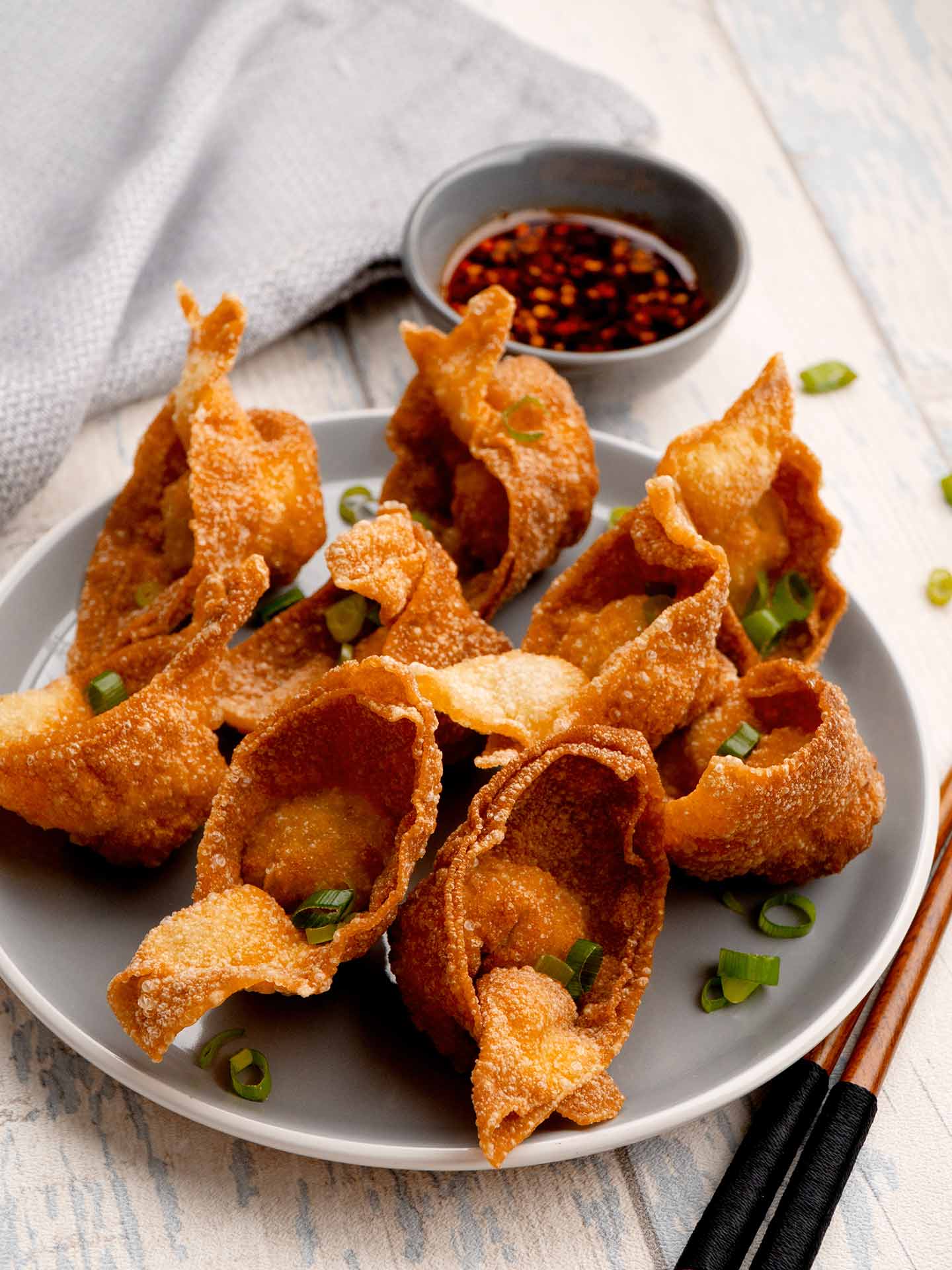
Crispy Fried Wontons: Deep-Fry or Air Fry for the Perfect Snack
Few snacks ignite the same joyful anticipation as a perfectly crispy fried wonton. These golden parcels, bursting with savory goodness, are a perennial favorite, whether served as a party appetizer, a comforting accompaniment to a meal, or a special treat during festivities like Chinese New Year. While their culinary cousins, like boiled Cantonese wontons in soup or fiery Sichuan wontons, offer diverse experiences, it's the satisfying crunch and rich flavor of fried wontons (炸云吞) that truly captures many hearts. In this comprehensive guide, we'll dive into crafting the ultimate homemade fried wontons, focusing on a classic pork and shrimp filling and exploring both traditional deep-frying and modern air-frying methods for achieving that coveted crispiness. This
fried wonton recipe is designed for home cooks who appreciate convenience without compromising on authentic flavor, making use of readily available store-bought wrappers so you can spend more quality time with loved ones.
The Heart of the Matter: Crafting the Perfect Fried Wonton Filling
The secret to an exceptional fried wonton lies squarely in its filling. While there’s immense room for creativity, the Cantonese tradition of combining succulent pork and tender shrimp is a gold standard for a reason. This pairing offers a delightful textural contrast and a depth of umami that forms the perfect base for your crispy wrappers.
To replicate this beloved flavor profile, we begin with two key components:
1.
Ground Pork with Some Fat: Opt for ground pork that isn't excessively lean. The slight fat content is crucial for a juicy, flavorful filling that remains moist even after frying. Mincing it further yourself, if starting with a larger cut, ensures a finer texture that binds well.
2.
Crunchy Shrimp: The trick to achieving that delightful "snap" in your shrimp lies in a simple brine. Soak peeled, deveined shrimp in a mixture of salt water and a pinch of baking soda for about ten minutes. The baking soda, a common secret in Asian cooking, helps to tenderize the protein and gives the shrimp a remarkably firm, almost bouncy texture. After soaking, rinse the shrimp thoroughly under cold water to remove any residual baking soda taste, then pat them dry and cut them into small, bite-sized pieces.
Once your pork and shrimp are prepped, it’s time to bring the flavors together. Mix them with finely chopped green onions, which add a fresh, aromatic lift, and your chosen seasonings. While specific measurements are best found in a detailed
Easy Fried Wontons: Pork & Shrimp Recipe for Chinese New Year, essential seasonings often include soy sauce, sesame oil, white pepper, and a touch of cornstarch to bind the mixture and lock in moisture.
Don't be afraid to experiment beyond the classic! The beauty of homemade wontons is the freedom to customize. Popular additions include finely minced water chestnuts for extra crunch, a sprinkle of sesame seeds for nutty notes, or even a surprising dollop of cream cheese for a richer, tangier filling. For those who don't consume pork, ground chicken or turkey can be an excellent substitute, offering a leaner alternative without sacrificing flavor if seasoned well.
Mastering the Art of Wonton Wrapping: Tips for Success
With your delicious filling ready, the next step is encasing it in those delicate wrappers. Wonton wrappers are distinctly thinner and more pliable than their egg roll or dumpling counterparts, making them perfect for that signature crispy crunch. Always check the label when purchasing, and you'll typically find them in the refrigerated section of most local grocery stores or Asian markets.
Given their delicate nature, handling wonton wrappers requires a gentle touch. They dry out very quickly once exposed to air, becoming brittle and prone to tearing. To prevent this, always keep your stack of wrappers covered with a damp cloth or plastic wrap when not actively using them.
Now, for the fun part: wrapping! There are several ways to fold a wonton, ranging from quick and functional to intricately beautiful.
1.
The Easy, Restaurant-Style Fold: This is arguably the fastest method, often employed by Chinese restaurants for efficiency. Place a small spoonful of filling (typically about 1 teaspoon to 1 tablespoon, depending on wrapper size) slightly off-center on the wrapper. Then, simply bring all the edges together, squeezing them tightly around the filling to seal. This creates a rustic, gathered pouch shape that fries up beautifully.
2.
The Classic Triangle Fold: If you're aiming for a slightly more polished look, the triangle fold is a popular choice. Start by placing your filling in the center of the wrapper. Fold one corner diagonally to meet the opposite corner, forming a perfect triangle. Ensure the edges are sealed by pressing firmly. Then, take the two farthest corners of this triangle and bring them together, overlapping slightly, and seal them with a dab of water. This creates a more traditional, almost "boat" like shape.
Regardless of the shape you choose, two fundamental techniques are paramount for any successful
homemade fried wontons:
*
Don't Overfill: Less is more when it comes to wontons. Too much filling makes them difficult to seal and prone to bursting during cooking.
*
Squeeze Out Air Pockets: This is perhaps the most crucial tip. As you fold and seal, gently squeeze around the filling to expel any trapped air between the wrapper and the filling. Air pockets can cause the wontons to puff up unevenly, absorb more oil, or even burst, leading to a less satisfying texture.
For more detailed visual guides and ingenious tricks, you might find valuable insights in articles like
Homemade Fried Wontons: Restaurant-Style Filling & Wrapping Tricks. Practice makes perfect, and soon you'll be wrapping like a pro!
Deep-Frying vs. Air-Frying: Achieving That Golden Crunch
Once your wontons are lovingly wrapped, it’s time to transform them into crispy delights. The cooking method significantly impacts the final texture and flavor. We'll explore two popular approaches: the traditional deep-fry and the modern air-fry.
The Traditional Deep-Fry: Unmatched Crispiness
Deep-frying is the classic method for achieving truly golden, supremely crispy fried wontons. The immersion in hot oil creates an incredibly light and airy texture that's hard to beat.
*
Oil Choice and Temperature: Use a neutral-flavored oil with a high smoke point, such as vegetable, canola, or peanut oil. Heat the oil to around 350-375°F (175-190°C). If you don't have a thermometer, test the oil by dropping a tiny piece of wrapper in; it should sizzle and float to the surface immediately, turning golden in about 15-20 seconds.
*
Batch Frying: Never overcrowd the pot. Fry wontons in small batches to maintain the oil temperature and ensure even cooking. Overcrowding lowers the oil temperature, leading to greasy, soggy wontons.
*
Cooking Process: Gently lower wontons into the hot oil, using tongs or a spider skimmer. Fry for 2-4 minutes, or until they turn a beautiful golden brown and are cooked through. Flip them occasionally for even coloring.
*
Draining: Once golden, remove the wontons and place them on a wire rack set over paper towels. This allows excess oil to drain away, keeping them crisp. A sprinkle of salt immediately after frying can also enhance their flavor.
While deep-frying offers the pinnacle of crispiness, it does require careful handling of hot oil and can be a bit messier.
The Modern Air-Fry: A Healthier, Convenient Alternative
For those seeking a lighter option with less cleanup, air-frying is a fantastic contemporary method to get delicious
crispy fried wontons. While the texture won't be identical to deep-frying (it's more like a very crisp baked item), it still delivers a satisfying crunch.
*
Preparation: Lightly brush or spray your wrapped wontons with a thin layer of cooking oil. This is crucial for achieving that desirable golden-brown exterior.
*
Preheat and Arrange: Preheat your air fryer to 375-400°F (190-200°C), depending on your specific model. Arrange the wontons in a single layer in the air fryer basket, ensuring they don't overlap. You'll likely need to work in batches.
*
Cooking Time: Air fry for 6-10 minutes, flipping them halfway through. The exact time will vary based on your air fryer and the size of your wontons. Keep an eye on them towards the end to prevent burning. They should be golden brown and feel crisp to the touch.
*
Benefits: Air-frying significantly reduces the amount of oil used, making it a healthier choice. It also eliminates the splatter and disposal issues associated with deep-frying, offering a convenient way to enjoy your favorite snack.
Ultimately, the choice between deep-frying and air-frying depends on your preference for texture, health considerations, and kitchen convenience. Both methods yield delightful results, making your
fried wonton recipe versatile for any occasion.
Serving Your Crispy Creations
Once your crispy fried wontons emerge, golden and tempting, they're ready to be devoured! Serve them immediately while they're still warm for the best texture.
A platter of fried wontons truly shines with the right dipping sauce. Classic accompaniments include:
*
Sweet and Sour Sauce: The quintessential pairing, offering a bright, tangy, and subtly sweet counterpoint to the savory filling.
*
Soy Sauce with Chili Oil: For those who love a bit of heat and umami, a simple mixture of soy sauce and a drizzle of chili oil (or even homemade chili garlic sauce) is irresistible.
*
Hoisin Sauce: A richer, sweeter, and more robust option that complements the pork and shrimp beautifully.
*
Plum Sauce: A fruity and tangy choice that adds a unique zing.
Garnish your wontons with a sprinkle of fresh chopped cilantro or a dusting of toasted sesame seeds for an added touch of freshness and visual appeal. Fried wontons are perfect as an appetizer, a party snack, or a delightful addition to any meal, especially during celebratory times like Chinese New Year.
Conclusion
Crafting homemade crispy fried wontons is a rewarding culinary journey that brings the authentic flavors of Chinese cuisine right into your kitchen. From preparing a succulent pork and shrimp filling to mastering the art of wrapping and choosing your preferred cooking method – be it the traditional deep-fry for ultimate crispiness or the modern air-fry for a lighter touch – every step contributes to a truly satisfying snack. This versatile
fried wonton recipe invites personalization and promises a delightful experience for both the cook and those lucky enough to savor these golden treasures. So, gather your ingredients, enlist some help, and get ready to enjoy some of the best homemade fried wontons you've ever tasted!